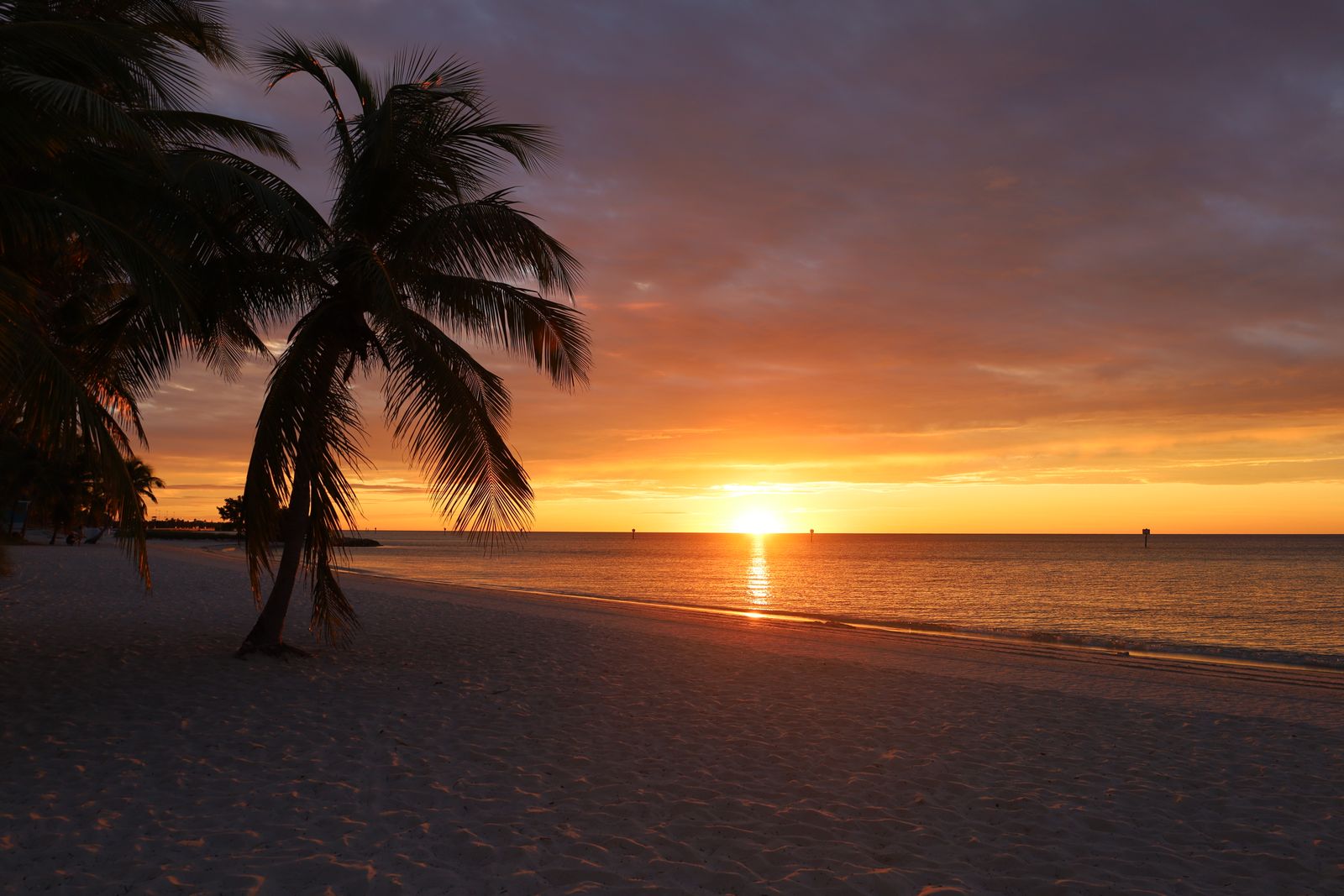
Miami Beach reveals itself in the first hour after sunrise, when the Atlantic turns the colour of hammered tin and the Art Deco strip along Ocean Drive still belongs to joggers and pelicans. Come now, before the neon and the crowds, and you understand why this thin barrier island became one of America's great open-air museums.
Walking the Deco district
Start on Ocean Drive between 5th and 15th, where more than 800 protected buildings form the largest concentration of 1920s and 30s Art Deco in the world. Look up: the eyebrows over the windows, the porthole details, the vertical fins that were meant to evoke ocean liners. The Colony, the Carlyle and the Breakwater are the postcard trio, but the quieter side streets off Collins Avenue are where the pastel geometry sings without the crowds.
Duck two blocks inland to Espanola Way, a Mediterranean-revival pedestrian lane where the cafes spill into the street and the light filters through bougainvillea. It is the antidote to the Ocean Drive hustle.
Sun, sand and the small stuff
The public beach is free and vast; rent an umbrella near Lummus Park and stay for the people-watching. In the afternoon, cross the bay to the Design District and Wynwood, where the warehouse walls have become a rotating gallery of murals. Finish with a cortadito and a pastelito in Little Havana, on Calle Ocho, where dominoes clack in Maximo Gomez Park.
How to do it right
Stay south of 20th Street to walk everywhere. Rent a bike for the boardwalk instead of fighting for parking. And save one evening for the golden hour when the Deco facades light up in coral and mint — it is the single most photogenic hour on the island.